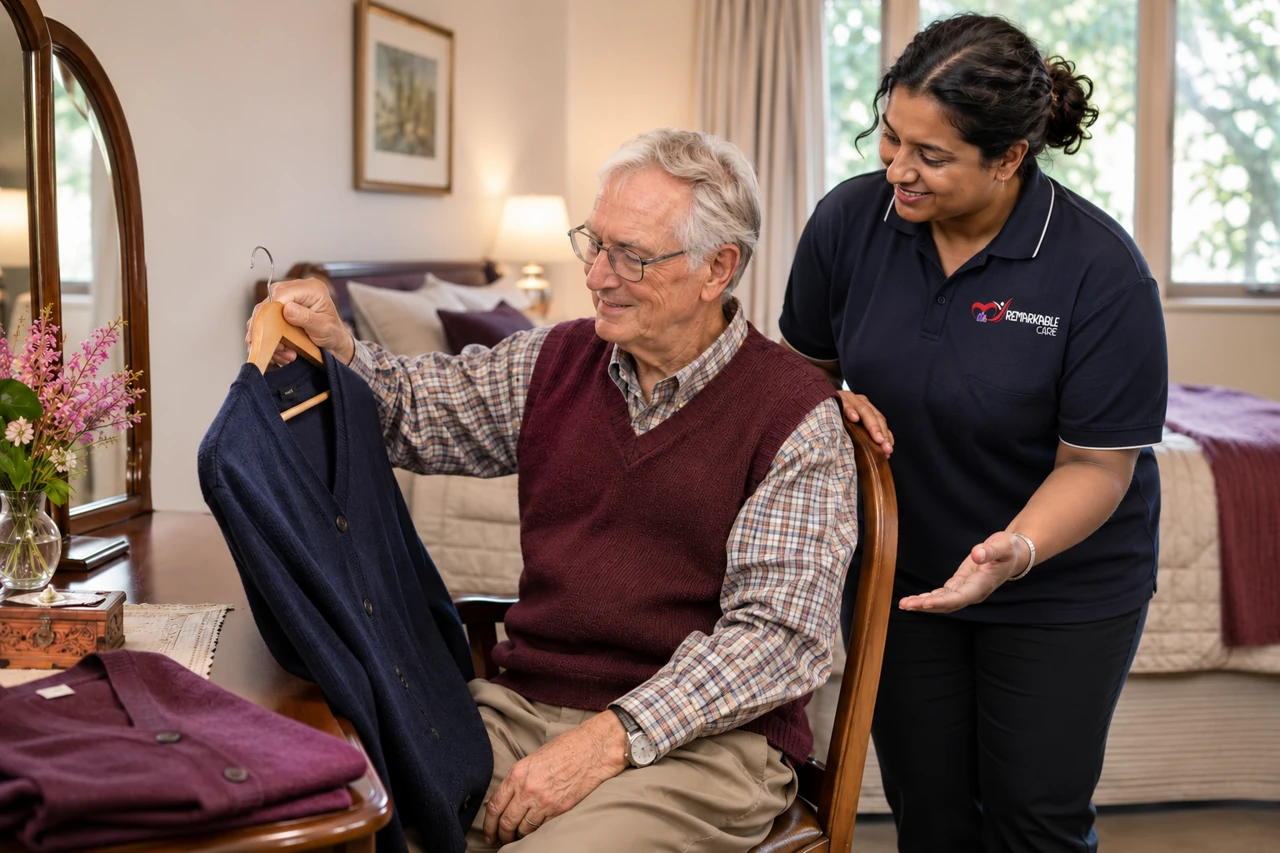
Start with familiar interests
Ask about the places, people and activities the older person enjoys. A conversation over tea, a short garden visit or attending a local group may suit different people. Listen if the person prefers a quiet activity or less frequent contact. The goal is meaningful connection, not filling a calendar with activities that someone feels obliged to attend.
Consider companionship at home
For someone who finds outings tiring, discuss whether a home visit would be more comfortable. Think about conversation, reading together or assistance connecting with a friend online. Confirm which activities the provider can arrange and what equipment is needed. Do not assume a companionship visit includes personal care, cleaning or clinical monitoring unless those tasks are separately agreed.
Plan social outings in detail
Check the destination, travel time, accessible facilities and opportunities to rest. Ask whether the worker will stay during the activity and how the return journey will be arranged. Discuss what happens if the person wants to leave early. A shorter first outing can help identify preferences before committing to a longer or regular activity.
Respect culture, language and privacy
Explain preferred language, important cultural events and whether the person would like family involved. Ask what worker matching is available rather than assuming a particular language can be provided. Discuss privacy when using phones or video calls. Support should help the person connect with others without taking over conversations or sharing personal information without permission.
Separate activity fees from support charges
Ask which charges relate to worker time or transport and which costs are the person’s own expenses. Tickets, refreshments or memberships should not be assumed to be included. If an aged care program is involved, clarify the applicable approved services and contributions. A written explanation is more useful than a broad statement that an outing is covered.
Enquire about a suitable arrangement
When contacting My Remarkable Care, explain the person’s interests, location, preferred times and assistance required. Ask about companionship or social support availability and what arrangements are possible. Review the experience with the person afterwards. Whether they felt comfortable and enjoyed the activity is more useful feedback than simply recording that a visit took place.
Talk with My Remarkable Care about your priorities.
Tell us about interests, valued relationships and preferred activities. A companionship enquiry should start with what feels meaningful to the older person.
Discuss a support enquiry or make a referral with consent. We confirm suitability and availability before agreeing to services.
Common questions.
Does social support have to involve a group?
No. Ask about individual and group arrangements and choose according to the person’s preferences, needs and available services.
Are transport and activity tickets included?
Not automatically. Request a breakdown of transport, support and personal activity costs before agreeing.
Can a family member choose the activities?
Family can help with ideas, but the older person’s wishes and consent should guide the plan.
Official resources.
General information to help you prepare. Individual needs, the relevant plan or assessment, current funding rules and confirmed provider arrangements determine what support you can use.